
A roof rarely fails all at once. It wears out slowly, and the early signs are easy to miss, especially when the roof is two stories up and it is raining for half the year. Knowing what to look for helps you plan a replacement on your schedule, instead of discovering a problem when water is dripping into the living room.
Here are nine signs that your roof may be near the end of its life, plus how to tell the difference between a roof that needs repair and one that needs replacing.
1. Your Roof Is 20 Years Old or More
Most asphalt shingle roofs in western Washington last about 20 to 25 years. Older three-tab shingles often wear out sooner, and roofs under heavy shade or with poor ventilation may age faster. If you don’t know your roof’s age, check your home purchase documents or permit records, or ask a roofer to estimate it from the shingle type and condition.
2. Curling, Cupping or Cracked Shingles
As shingles age, they lose flexibility. The edges may curl up, the middles may cup, and you may see cracks across the tabs. Curled shingles catch wind and let rain blow underneath. A few damaged shingles can be replaced, but widespread curling means the whole roof is aging.
3. Granules in Gutters and Downspouts
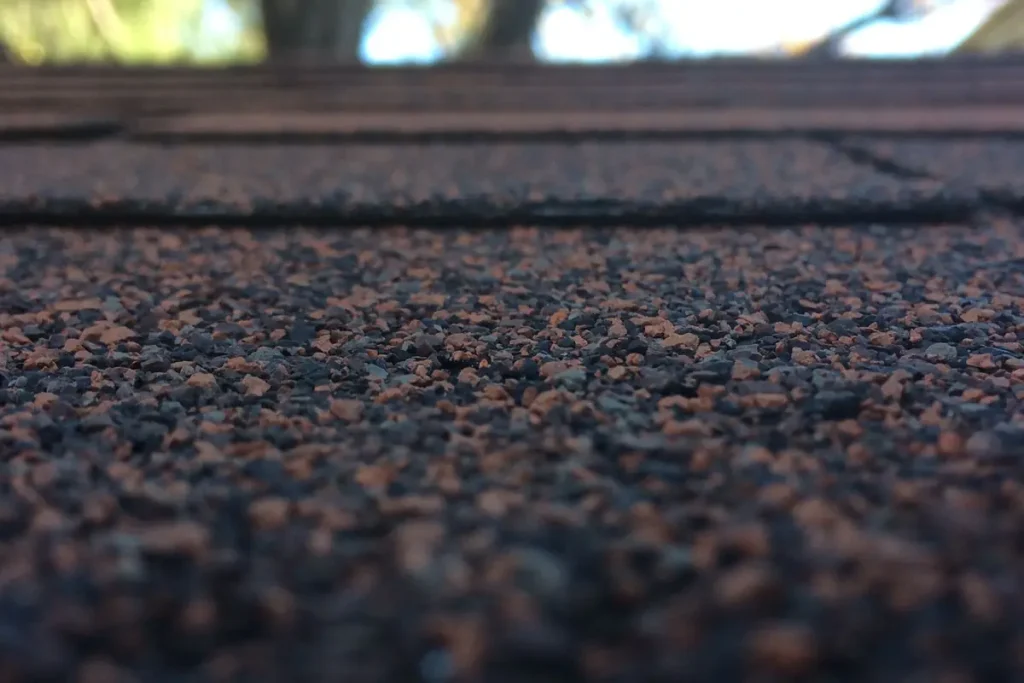
Shingles are covered in small ceramic granules that protect the asphalt from sunlight. Some granule loss is normal on a brand-new roof. On an older roof, piles of granules at the bottom of downspouts or bald, shiny patches on the shingles mean the protective layer is wearing away.
4. Missing Shingles After Wind
Western Washington gets strong winter windstorms. A roof that loses shingles in every big wind has shingles that no longer seal well. Replacing a few is a repair. If it keeps happening, the adhesive strips across the roof have likely failed.
5. Moss That Keeps Coming Back
Moss is common here, and it can be removed. But if moss returns quickly and has lifted shingle edges across large areas, the shingles underneath may already be damaged. Our guide to removing moss from your roof explains when cleaning is enough and when it isn’t.
6. Water Stains on Ceilings or in the Attic
Brown rings on a ceiling, peeling paint near the top of a wall, or dark stains on the underside of the roof deck in the attic all point to water getting in. One stain near a chimney or vent is often a flashing repair. Stains in several places, or new leaks every winter, suggest the roof as a whole is failing.
7. Daylight or Soft Spots
From the attic, look up on a sunny day. If you can see daylight through the roof boards, water can get in too. From the outside, a roof that feels spongy or looks wavy may have rotted or delaminated sheathing underneath. That usually means more than a shingle problem.
8. A Sagging Roofline
Stand back and look along the ridge and the eaves. They should be straight. A dip or sag can mean long-term moisture damage to the decking or structural framing. This needs a professional inspection right away.
9. Two or More Layers of Shingles
Many older Olympia homes, especially in South Capitol and on the Eastside, were reroofed by adding a new layer over the old one. Building codes limit how many layers are allowed, and a roof with two layers is heavier, traps heat and moisture, and hides problems in the deck. When it is time to reroof, all layers should come off.
Repair or Replace? How to Decide
A good rule of thumb:
- Repair when the damage is isolated (a few shingles, one leaking pipe boot, a chimney flashing) and the rest of the roof is in good shape with plenty of life left.
- Replace when the roof is near or past 20 years, problems are spread across several areas, or repair costs keep adding up year after year.
Putting money into repairs on a worn-out roof often delays the inevitable and can lead to hidden damage in the decking and insulation. A professional inspection gives you an honest picture. Our roof inspection service includes a written report with photos and an estimate of remaining roof life.
What a Replacement Involves
A proper roof replacement in our climate includes much more than new shingles:
- A full tear-off down to the deck
- Repair or replacement of any soft or rotted sheathing
- Ice and water shield in valleys and along the eaves
- Synthetic underlayment across the rest of the roof
- New drip edge, step flashing and chimney flashing
- Balanced ridge and soffit ventilation to prevent attic condensation
- Algae-resistant architectural shingles
Done right, a new roof should carry you for decades. You can read more about what is included on our roof replacement page.
Plan Before the Rain
Roofs can be replaced year-round in Olympia with careful scheduling, but planning ahead gives you more flexibility on dates and materials. If your roof shows several of the signs above, get an inspection in late summer or early fall, before months of steady rain test it.
Get an Honest Opinion
Olympia Roofers inspects roofs across Olympia, Lacey and Tumwater and tells you plainly whether you need a repair, a replacement, or nothing at all yet. As your local Olympia roofing company, we would rather earn your trust than push a sale. Book a free estimate with the short form on this page.